
How to Choose the Perfect Bird Name
Choosing a name for a pet bird is both joyful and meaningful. The best names are easy to say, pleasant to hear, and suitable for the bird’s personality, appearance, and everyday life with its owner.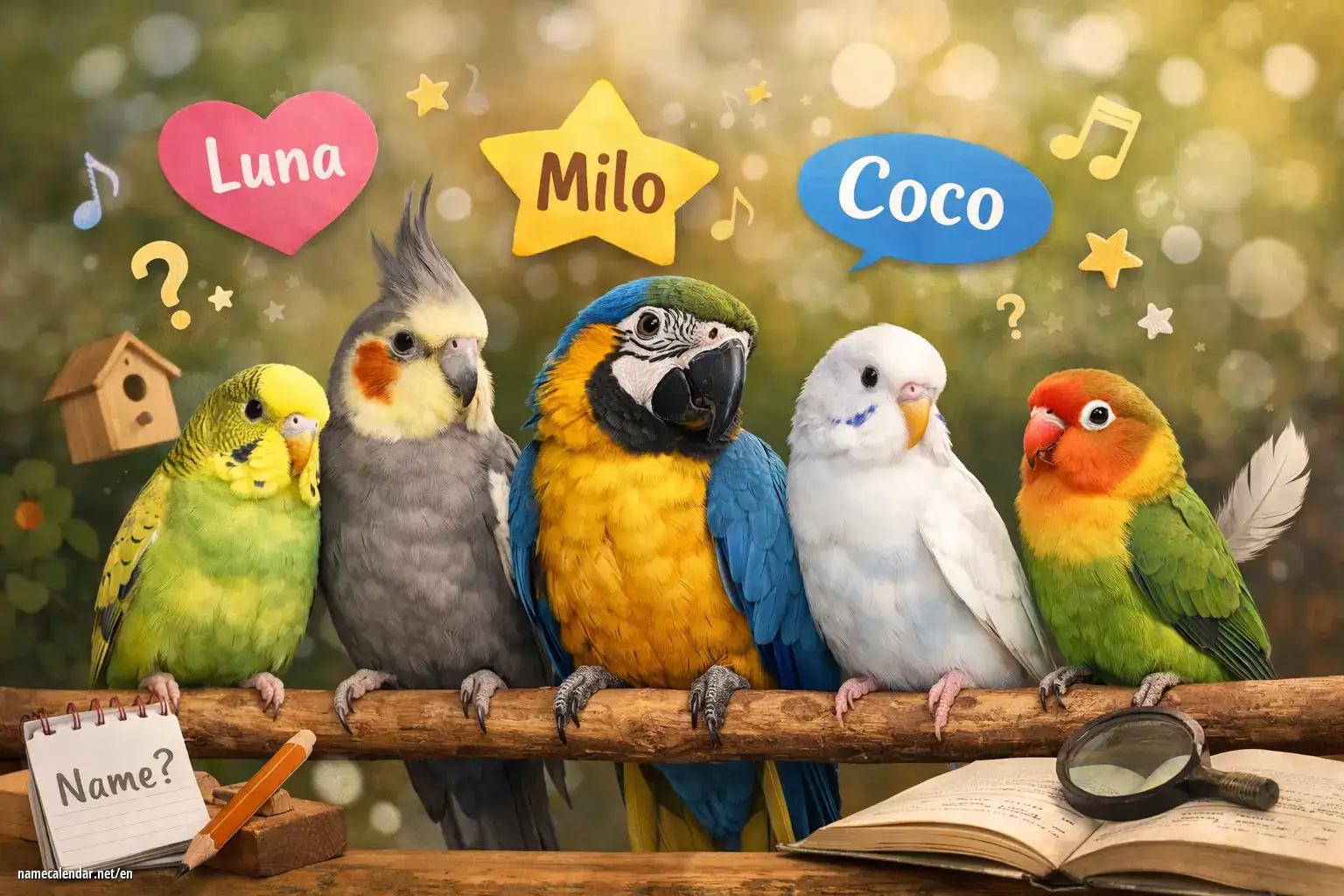
Why a bird’s name matters
A bird’s name is more than a decorative label. It becomes part of daily routines, training, bonding, play, feeding, and affection. Owners repeat it many times each day, often in moments of excitement, comfort, or gentle correction. Because of that, a good name should feel natural in the mouth and pleasant in the ear. It should also fit the bird not only today, when everything feels new, but years later when the pet is fully settled into the household.Birds are especially expressive pets. Some are noisy and theatrical, some are sweet and observant, and some are quiet but intensely curious. A fitting name helps the owner notice and celebrate that individuality. A lively budgie may carry a cheerful name that reflects movement and sparkle, while a calm cockatiel may suit a softer and more elegant choice. Even when the bird does not understand language in the human sense, the repeated sound of its name can become familiar and comforting.
The naming process also shapes the owner’s first impression of the pet. A bird named Luna may feel mysterious and graceful from the beginning, while a bird named Milo may seem warm, playful, and friendly. A name can influence how family members talk to the bird, how visitors react, and how the bond develops. For that reason, the best bird names are chosen with care rather than in a hurry.
Start with the bird’s personality
One of the best ways to find the right name is to observe the bird before deciding. Many owners want a name immediately, but a few days of attention often lead to a much better result. Notice how the bird moves, explores, rests, chirps, and reacts to people. A pet that rushes from perch to perch may inspire a very different name from one that sits regally and studies the room before acting.Names for cheerful and energetic birds
If a bird is bright, playful, and always in motion, lively names often work well. Sunny suggests warmth, light, and optimism, which suits a bird that seems to bring energy into the room. Pico feels small, quick, and spirited, making it a strong choice for a tiny bird with a fast personality. Zara sounds vivid and stylish, good for a bird that appears alert and confident. Rio carries movement and color, which makes it suitable for a pet that seems impossible to ignore.Names for calm and gentle birds
Some birds win hearts through softness rather than speed. They may enjoy quiet contact, slow head tilts, and peaceful routines. Names such as Eva, Noah, Lina, and Leo have smooth, familiar sounds that work well for gentle pets. Lina feels light and delicate, which suits a small elegant bird. Leo is simple and warm, often fitting a bird with a calm but steady presence.Names for curious and intelligent birds
Parrots and other clever birds often show remarkable curiosity. They inspect objects, test boundaries, and react quickly to changes in the room. Names that sound sharp, alert, or clever can fit these traits. Nico has a bright and modern sound for a bird that is always involved in everything. Mira suggests wonder and observation, making it suitable for a pet that studies faces and new toys with obvious interest. Felix often feels nimble and clever, especially for a bird that learns routines quickly.Listen to how the name sounds
Sound matters greatly when naming birds. Owners say the name again and again, and some birds may even imitate parts of it. Clear names with pleasant rhythm are usually more effective than long or complicated choices. Short names with one or two syllables are often easiest to use in real life. They are quick to call across a room, simple to repeat in training, and less likely to become distorted into nicknames that no longer resemble the original choice.Names with open vowel sounds are often attractive because they carry well. Sounds like ah, ee, and oh can be easy to repeat in a cheerful tone. This is one reason names such as Kiki, Coco, Lola, and Timo often feel natural for birds. Kiki is lively and playful, especially for a pet with fast chirps. Coco is warm and memorable, with a repeating pattern that owners find easy to say. Lola sounds musical and balanced, which suits a graceful bird with a little charm.
Harsh, overly long, or awkward names may look interesting on paper but become inconvenient in daily speech. A name that requires explanation every time guests visit may not be the best option for a pet you call dozens of times each day. It is wise to test a name aloud in different tones: happy, gentle, surprised, and firm. If the name still sounds good in all of them, it is probably practical.
Why rhythm is important
Rhythm can shape how a name feels. Some names bounce, while others glide. Mimi has a light repeated rhythm that suits a small affectionate bird. Arlo feels relaxed and modern, often matching a confident pet with easy charm. Nina is soft and balanced, which makes it fitting for a bird with elegant movement. When the rhythm matches the bird’s energy, the name often feels right immediately.Look at color, markings, and appearance
Appearance can provide excellent inspiration, but the strongest names go beyond the obvious. It is easy to call a yellow bird simply by a word related to yellow, yet a more thoughtful choice can feel richer and more personal. Instead of focusing only on color, consider texture, brightness, pattern, and the emotion the bird creates when you first see it.A white bird with a serene presence may suit Bianca, a name that suggests brightness and elegance. A golden bird may fit Aurelia, which feels warm and luminous. A grey bird with refined beauty may suit Silas or Selma, depending on the overall impression. A green bird that looks fresh and lively may fit Lia or Elio, names that feel light and full of life.
Markings can also inspire names. A bird with a strong mask around the eyes, a colored crest, or a spotted chest may call for a name that reflects its most memorable feature. In such cases, the owner should choose a name that captures the mood of the look rather than describing it too literally. That keeps the name elegant and timeless.
Beauty without being too predictable
Names based on appearance should still allow room for personality. A blue bird might be named Iris because the name feels cool, vivid, and refined, rather than because it directly means blue. A bright yellow bird might suit Nora, which feels sunny without becoming a simple color label. The best appearance-based names leave space for imagination.Choose a name that matches the species
Different bird species create different impressions, and a good name can reflect that naturally. A tiny finch, a playful budgie, a dramatic cockatoo, and a thoughtful African grey do not usually suggest the same style of name. Matching the species does not mean following a fixed rule, but it can help the owner narrow down choices.Budgie names
Budgies are often lively, social, and bright. They usually suit names that feel cheerful and easy to repeat. Pip works well because it is tiny, energetic, and memorable. Lulu has a musical quality that fits a vocal little bird. Nico suits a budgie that seems clever and socially aware. Maya feels friendly and light, which suits an affectionate pet.Cockatiel names
Cockatiels often combine sweetness, sensitivity, and a touch of theatrical elegance. They may suit names such as Ella, Oscar, Mila, or Ruben. Ella sounds soft and graceful, ideal for a gentle bird with a lovely crest. Oscar has character and a little flair, good for a cockatiel that enjoys attention and expressive whistling.Parrot names
Larger parrots often appear intelligent, confident, and full of personality. Strong but friendly names often suit them well. Marco feels outgoing and warm. Sofia suggests intelligence and poise. Bruno can fit a bold bird with presence, while Alma works for a pet that feels soulful and emotionally expressive.Canary and finch names
Canaries and finches often inspire names that feel delicate, bright, and musical. Ada is neat and elegant for a small bird with refined beauty. Elia sounds airy and lyrical. Nina suits a light and graceful pet, while Teo feels compact and sweet. These names do not overwhelm the small scale of the bird.Decide whether you want a human name or a playful pet name
Bird names often fall into two main styles. Some owners prefer human names because they create warmth and personality. Others prefer playful pet names because they sound cheerful and cute. Neither approach is better on its own. The right choice depends on the bird, the household, and the emotional tone the owner wants.When human names work best
Human names often make a bird feel like a full family member. They can sound elegant, affectionate, or humorous depending on the pet. Emma, Lucas, Anna, and David are familiar and approachable. Emma feels gentle and classic for a sweet pet. Lucas works well for a confident bird with social charm. Human names are especially popular for birds that interact a lot with people.When playful names work best
Playful names are often based on sound, motion, food, or mood. They may feel especially suitable for tiny, active, or comic birds. Examples include Kiki, Coco, Pico, and Bibi. These names are light, rhythmic, and easy to repeat. They can be ideal for young birds or for owners who want a cheerful atmosphere around the pet.A useful test is to imagine introducing the bird to someone new. If the chosen name makes you smile naturally and feels true to the bird, it is probably a good choice. If it sounds forced or purely trendy, another option may age better.
Think about gender, but do not feel limited by it
Some bird owners want a clearly masculine or feminine name, while others prefer something flexible. In many cases, a neutral name is the safest and most practical choice, especially when the bird’s sex is uncertain or not especially important to the owner’s connection with the pet.Gender-neutral names can feel modern, elegant, and easy to live with. Robin works particularly well for birds because of its natural association and soft familiarity. Sasha is versatile, expressive, and suitable for many personalities. Noa feels short, calm, and bright. Alex is balanced and practical, fitting both playful and serious birds.
Masculine and feminine names can still be wonderful when they truly match the bird. A noble bird may suit Victor, while a delicate songbird may fit Elisa. The important point is not to force gender into the choice if a different name feels more natural. Many excellent bird names work beautifully regardless of sex.
Use inspiration from behavior and habits
Daily habits often reveal better naming ideas than appearance alone. Some birds sing early in the morning, some hide toys, some love mirrors, and some are fascinated by keys, cups, or curtain cords. Naming a bird after such behavior can make the result deeply personal because it reflects shared experience rather than general appearance.A bird that greets the day with energy may suit Aurora, a name associated with dawn and light. A pet that constantly explores might fit Scout, which suggests movement and curiosity. A gentle mimic may suit Milo, a warm and social name for a bird that wants interaction. A bird that watches quietly before acting may fit Ivo, which feels thoughtful and composed.
Observe before you decide
It is wise to write down a few recurring habits before choosing. Does the bird hop boldly toward visitors, or retreat and then return slowly? Does it chirp in bursts, whistle in patterns, or stay quiet until spoken to? When a name grows from real observation, it usually remains satisfying for much longer than a random fashionable choice.Pick names for a pair or a group carefully
Many bird owners keep two birds together, and in that case the names should sound good both separately and as a pair. The best paired names complement each other without becoming confusing. They should not be so similar that the birds cannot be called individually, yet they should still feel connected in style.A balanced pair might be Luna and Leo, which share a gentle rhythm without sounding identical. Mila and Nico also work well because both names feel modern, warm, and easy to call. Ella and Arlo create contrast between softness and relaxed confidence. Paired names can reflect personality differences too, such as one lively bird and one calm companion.
Avoid names that are too similar
Names such as Kiki and Koko may sound charming together, but they can become confusing in daily use because the rhythm is too close. The same problem can happen with names that begin and end in nearly identical sounds. Clear distinction matters, especially if the owner hopes to train or call the birds individually.Theme-based names
Some owners enjoy choosing names from a theme, such as sky, music, literature, or seasons. This can work beautifully when handled with restraint. A sky-inspired pair like Aurora and Sol feels connected without being childish. A musical pair like Nina and Juno can sound elegant and artistic. The key is to choose names that still function well on their own.Examples of bird names with explanations
Many owners appreciate examples, but a simple list is rarely enough. The value lies in understanding why a name works, what feeling it carries, and what kind of bird it may suit. The following names show different styles and can help guide a final decision.Luna
Luna is a graceful and widely loved name with a soft, luminous feeling. It suits birds that seem elegant, observant, or slightly mysterious. It is especially fitting for white, silver, blue, or calm birds whose beauty feels quiet rather than loud.Milo
Milo feels warm, friendly, and approachable. It often suits affectionate birds that like company and respond with curiosity rather than caution. The name is easy to say and has a pleasant rhythm, which makes it practical for everyday use.Coco
Coco is playful, memorable, and full of personality. Because of its repeating sound, it works well for birds that chirp often, enjoy movement, or bring obvious joy to the room. It suits many species and remains easy for children and adults to pronounce.Iris
Iris feels colorful, refined, and artistic. It can be a beautiful choice for a bird with striking plumage or a very elegant posture. The name sounds gentle but not weak, which gives it a nice balance for birds with beauty and spirit.Nico
Nico has an alert and modern quality. It fits birds that are curious, socially aware, and always involved in nearby activity. The short structure makes it easy to call, and the sound feels bright without being too sharp.Maya
Maya sounds warm, light, and affectionate. It works well for birds that quickly become part of the family and enjoy interaction. The name is simple, smooth, and suitable for many sizes and species.Leo
Leo gives a small sense of dignity and confidence. It suits birds with presence, whether they are bold, noble, or simply very sure of themselves. It is brief, memorable, and strong without feeling harsh.Lina
Lina feels delicate, clean, and gentle. It is ideal for a graceful songbird, a sweet cockatiel, or any pet whose beauty lies in softness and calm movement. The name has a light and elegant flow.Robin
Robin is a natural and versatile choice. It has a direct bird association, yet it still feels like a real personal name. That makes it especially strong for owners who want something friendly, gender-neutral, and meaningful without being too obvious.Arlo
Arlo sounds relaxed, modern, and gently stylish. It works well for a bird with quiet confidence, a playful side, or easy charm. The name has enough character to feel distinctive but remains comfortable in daily use.Mistakes to avoid when naming a pet bird
The most common mistake is choosing too quickly based only on first excitement. A name may seem adorable in the first hour and feel unsuitable a week later. Another common problem is selecting a name that is too long, too complicated, or too similar to other pet names or family names in the home.It is also wise to avoid names that feel funny only because of a short trend on the internet. Trends can pass quickly, while a bird may live for many years. A name should still feel enjoyable and respectable long after current jokes or fashions disappear.
Some owners choose names that are difficult to pronounce consistently. If one family member says the name one way and another says it differently, the result may feel untidy. Simplicity often wins. A clear, pleasant, stable name usually works better than an unusual one that causes hesitation every time it is spoken.
Do not ignore future fit
A baby bird may seem tiny and comic today, but it may later become calm, majestic, or highly intelligent. A name should have enough flexibility to grow with the pet. Choosing something only for the earliest stage can lead to regret later. Names with warmth and balance often age best.How to test a bird name before making it final
Once a short list is ready, test each name in real life. Say it aloud when greeting the bird, offering food, changing water, or speaking gently near the cage or perch. Notice which name comes naturally and which one feels forced. The right choice often reveals itself through repetition.It can also help to imagine the name in different situations. Does it sound good when spoken lovingly? Does it still work if the bird flies somewhere unexpected and must be called quickly? Does it feel suitable when telling other people about the pet? A truly practical name should perform well in all of these moments.
If two names remain equally appealing, choose the one that feels more timeless and easier to repeat. Daily comfort matters more than novelty. The most successful bird names are not always the most unusual ones. Often, they are the names that continue to feel right every single day.
Create a name that reflects your bond
The perfect bird name is not simply the prettiest sound or the most original idea. It is the name that captures the relationship between owner and pet. Sometimes that relationship begins with a bird’s appearance, but more often it deepens through routines, trust, affection, and small repeated moments. A name chosen from that bond usually feels richer than one selected only for style.For one owner, the best name may be Eva because the bird is calm and gentle. For another, it may be Pico because the tiny pet never stops moving. Someone else may choose Robin for its natural charm, or Maya because it sounds warm and loving every time it is spoken. There is no single perfect bird name for everyone. There is only the one that becomes perfect for your bird.
When owners take time to listen, observe, and imagine the name as part of everyday life, the result is usually memorable and lasting. That is the real goal: not just to name the pet, but to choose a name that feels alive each time it is said.
Final thoughts on choosing the right bird name
A great bird name should be easy to say, pleasant to hear, and appropriate for the bird’s species, appearance, behavior, and personality. It should also feel natural in the home and remain suitable over time. Whether the final choice is Luna, Milo, Iris, Leo, or something entirely different, the strongest names are chosen with patience and affection.Owners do not need the rarest or most elaborate option. They need the one that fits. When the name sounds right, feels right, and continues to match the bird as the bond grows, it becomes more than a choice. It becomes part of the shared life between human and pet.